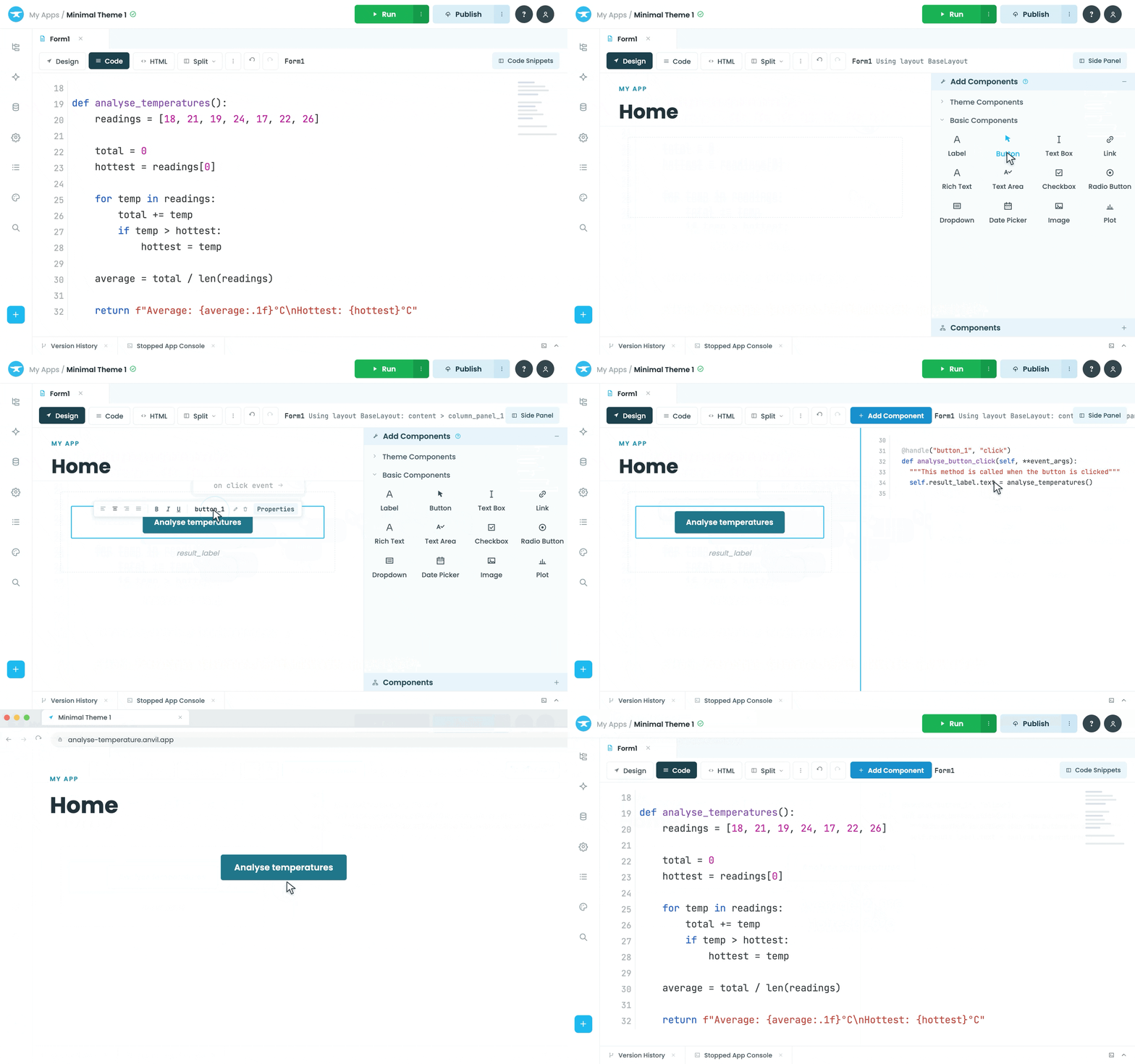






How Anvil works
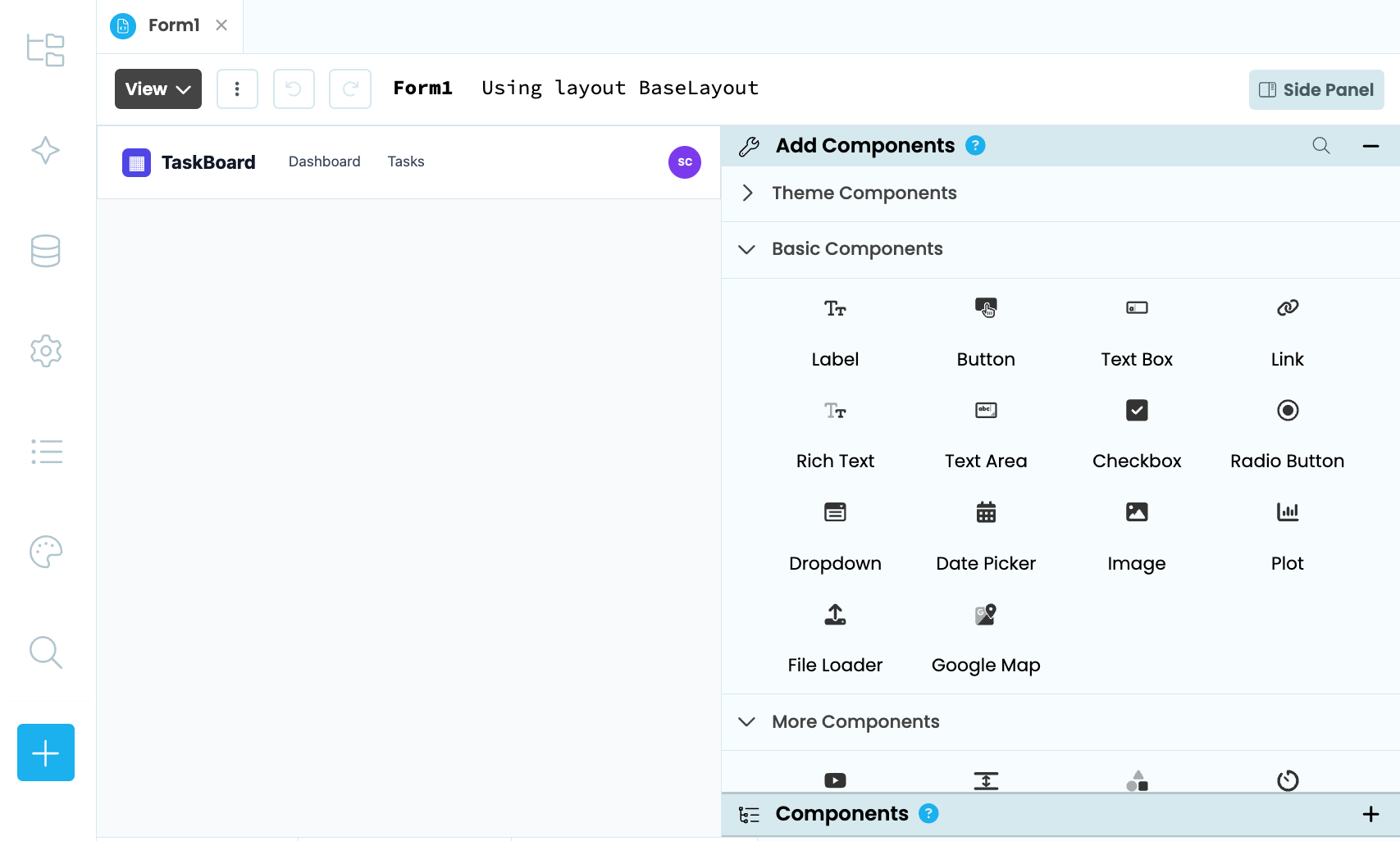
Add a UI with drag and drop
Build your interface visually by adding, arranging, and customising components in Anvil's designer. No HTML, CSS, or JavaScript required.
Learn More >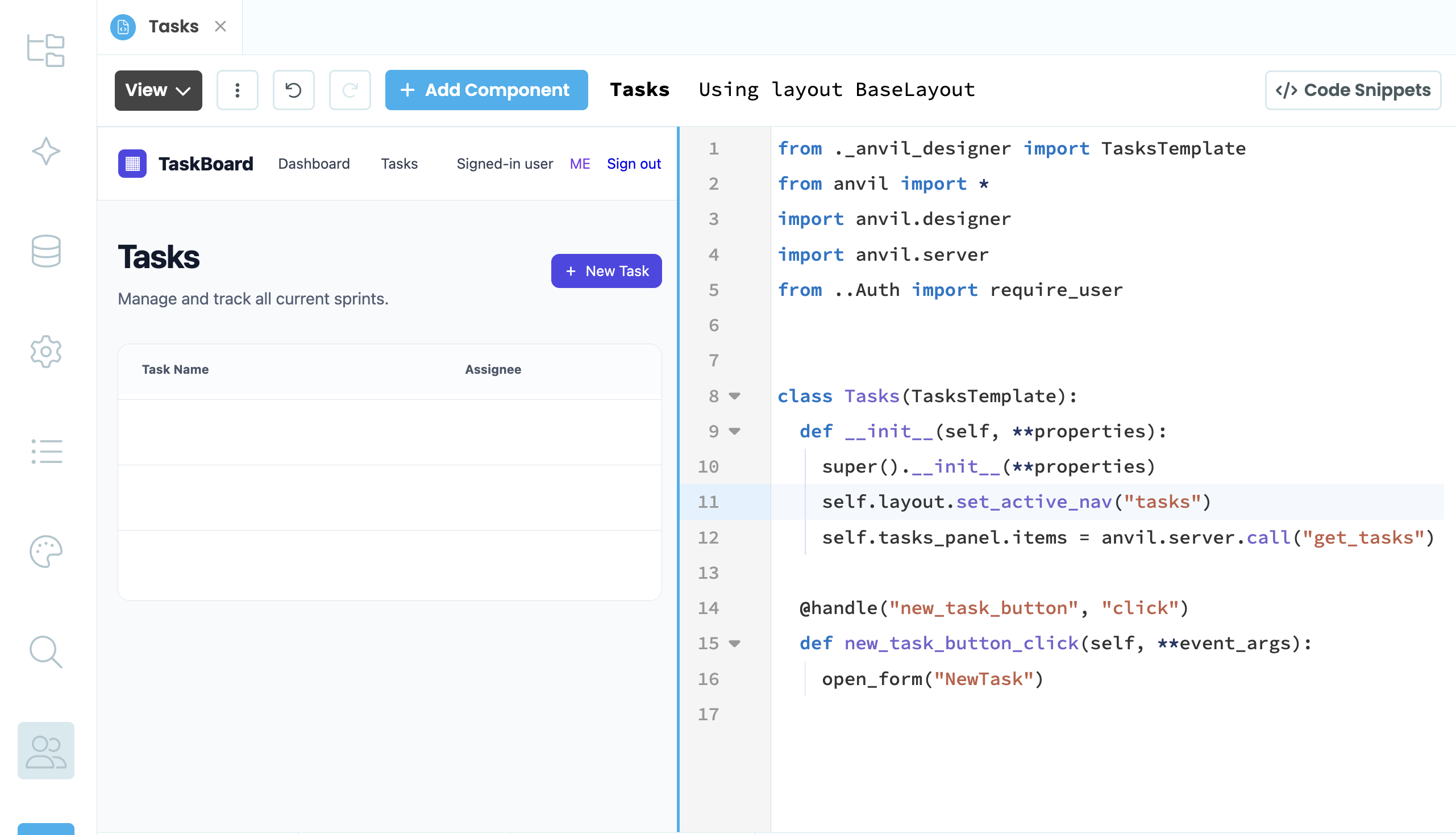
Keep working in Python
Use Python throughout your app, from the UI to the backend logic. Your UI components are Python objects you can interact with directly in code, while your backend code runs in a secure Python environment on the server.
Learn More >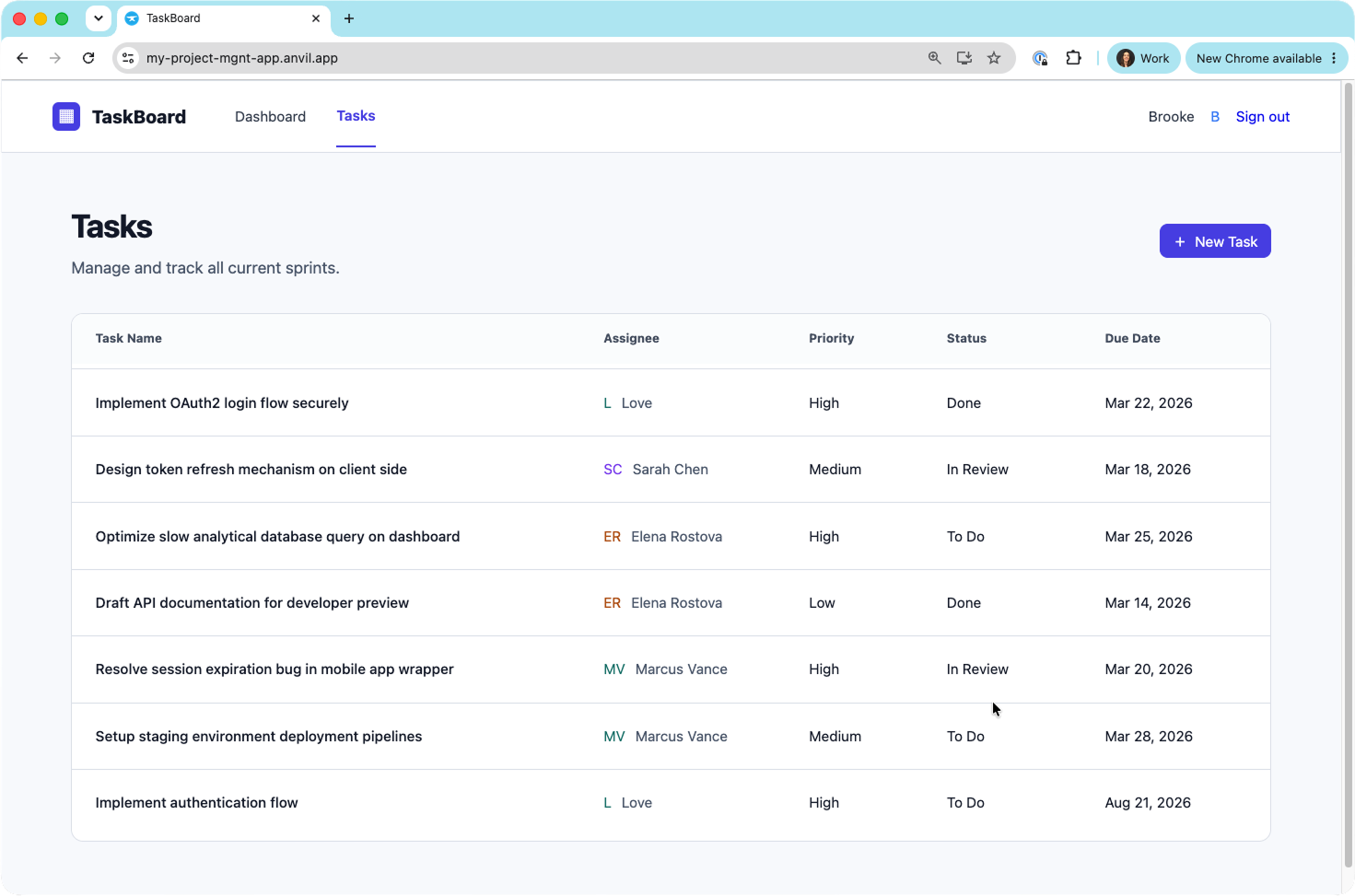
Share your app with a link
Publish your app and get a shareable link in just one click. Your users can open it in their browser without installing Python or managing dependencies.
Learn More >
Anvil is hands down the best way to use Python. It abstracts away every single problem that I've faced when building applications, the hosting, authentication, databases, UI. It's all been taken care of and thought about in a way that makes sense.
When your script needs more
Use Python packages, store data, and add user accounts without piecing together separate tools.
Use your Python packages
Install Python packages from PyPI and keep using the libraries your script already depends on. Your app's users won't have to install or manage those dependencies themselves.
Custom Python packages >Store data without setup
Save, search, and update data from Python with Anvil's built-in Data Tables, without setting up or connecting a separate database.
Data Tables >Add user accounts
Add sign-up, login, password reset, and user permissions without building them yourself. Control who can access what you've built as you start sharing it with other people.
Managing Users >Connect to what you already use
Connect your app to external resources, from Python code running anywhere to external databases and web APIs, so you don't have to rebuild everything in Anvil.
External resources >Track changes with Git
Every Anvil app is a Git repository, so you can track changes, create branches, and collaborate without setting up version control separately.
Version control >Keep sensitive code and data secure
Anvil apps run over HTTPS. Client and server code are separated by default, so sensitive logic, data, and credentials can stay on the server.
Security in Anvil >
Anvil has allowed me to do this as a solo entrepreneur. Any other solo entrepreneur that builds a software product needs to basically be a full stack developer who’s also had experience with DevOps and has the skills to build a business.
What people build with Anvil
Real apps, examples, and customer stories from Anvil users and our team.
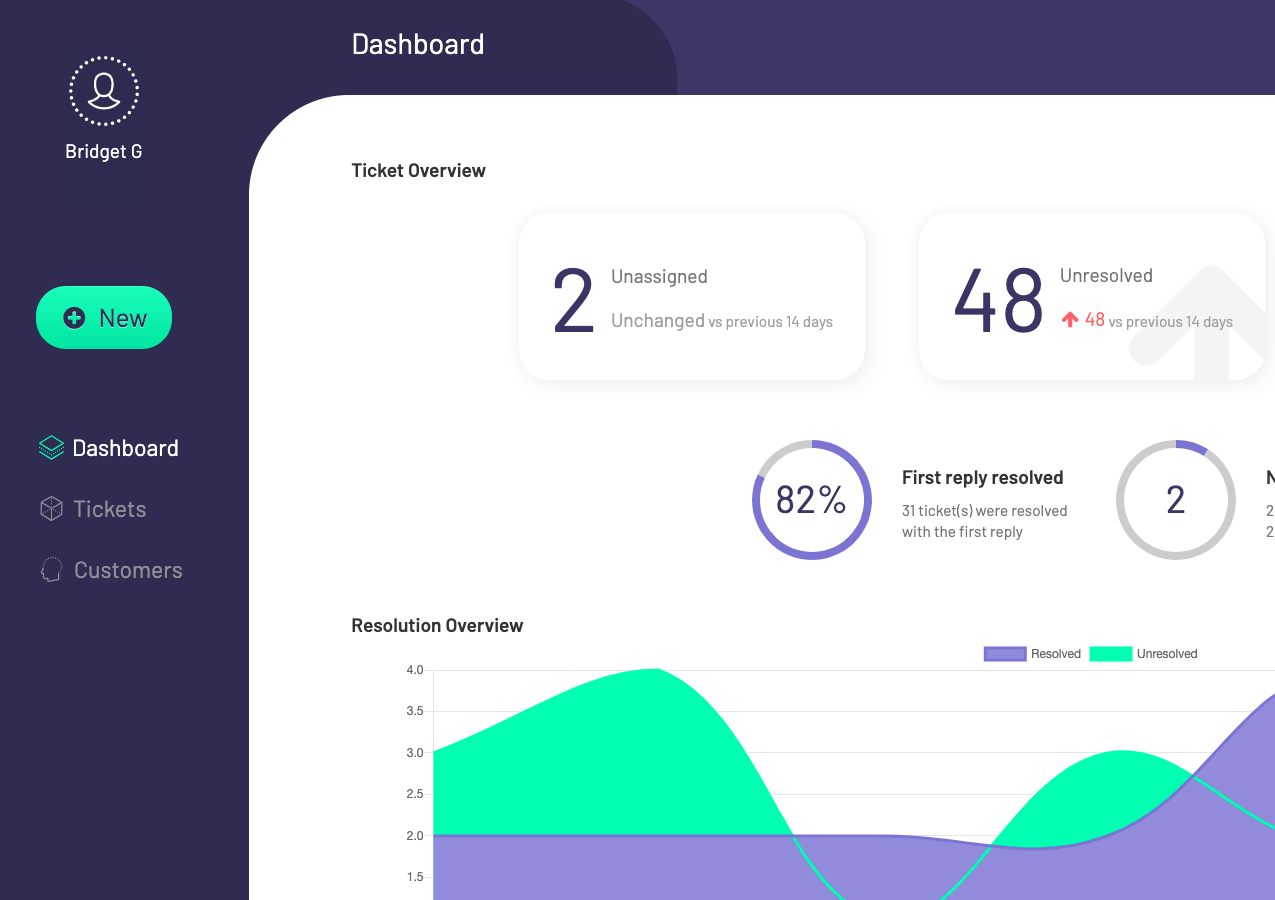
Internal tools
Admin panels, approval workflows, inventory systems, dashboards, and other internal tools, like this ticketing system.
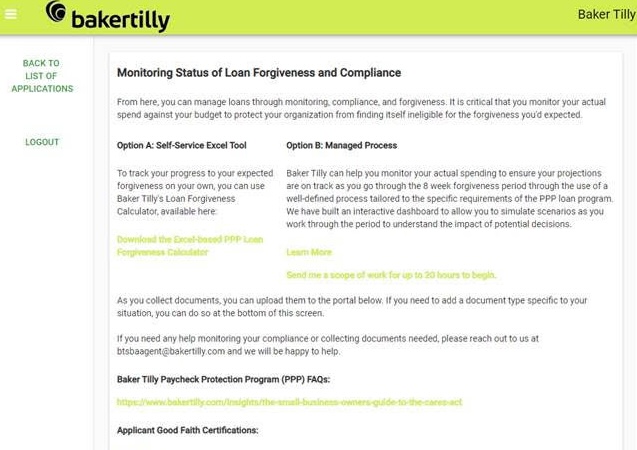
Customer portals & services
Secure portals, booking systems, application forms, and other customer-facing apps, like Baker Tilly’s loan application system.
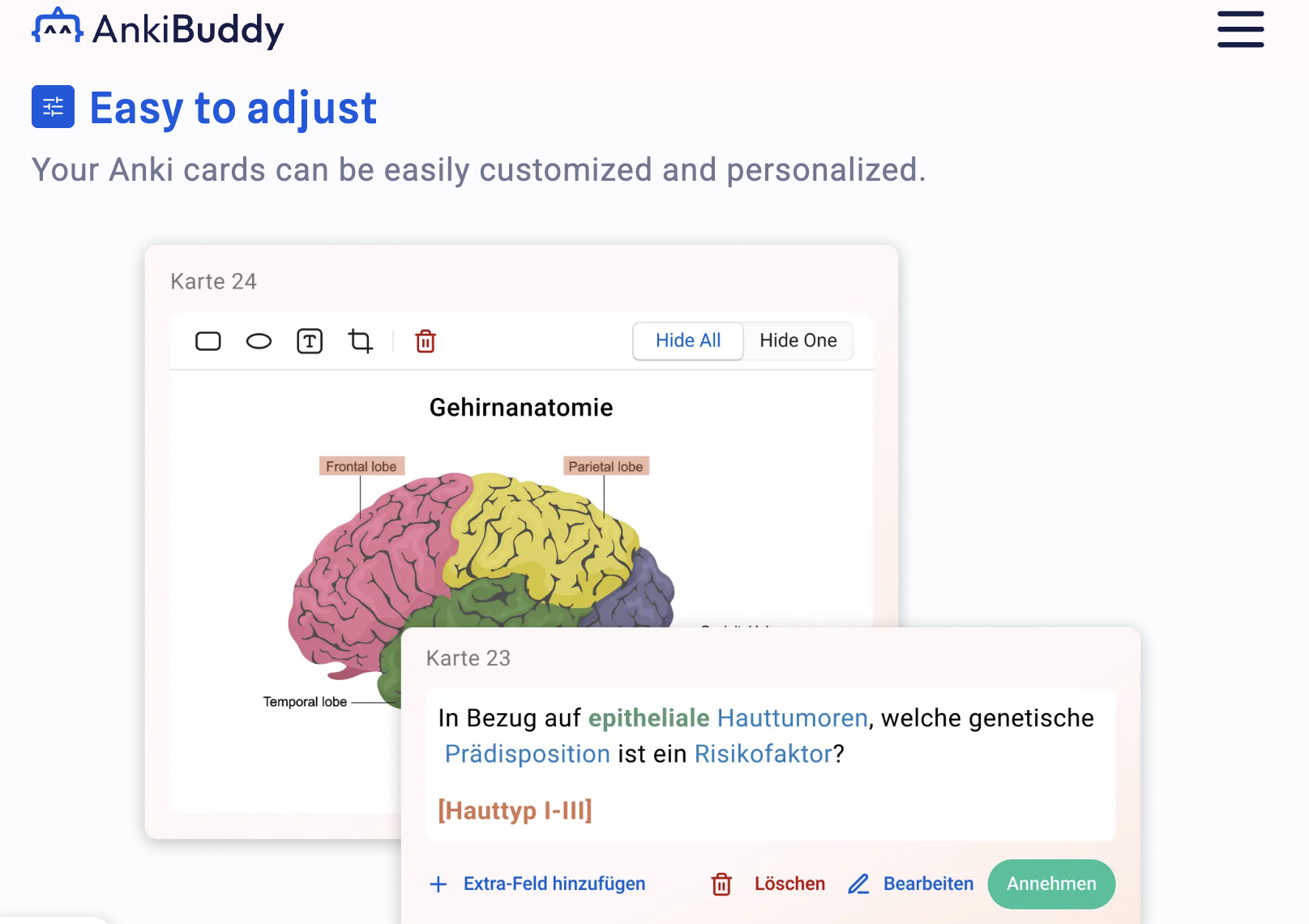
Software products
Software as Service apps, AI tools, learning apps, games, and other software products, like AnkiBuddy and others.
Start Building
Ready to start building?
Start building
Sign up for free and turn your script into a web app you can share with people.
Start buildingLearn the basics
Follow our guide to learn how to build with Anvil if you're used to writing Python scripts.
Get Started guideJoin the Community
Have questions or want to share your creations? Join us on the Community Forum!
Join the Forum