





How Anvil works
Idea to production in 3 steps
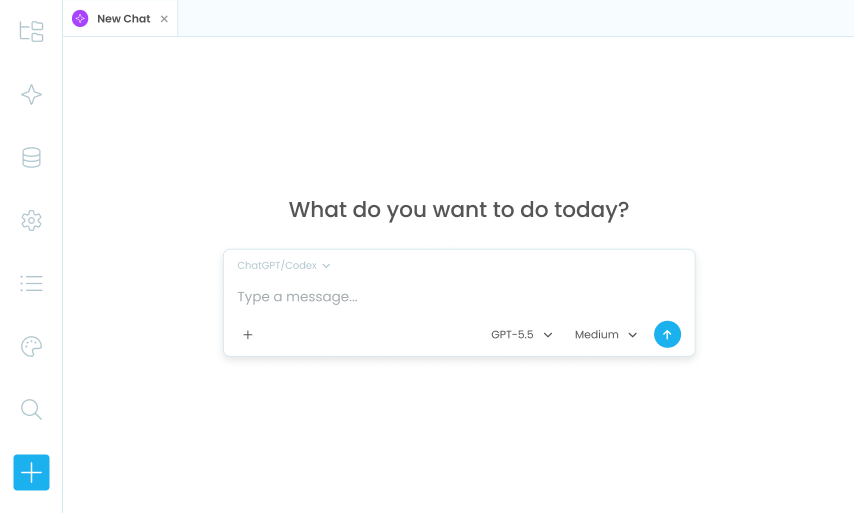
Generate a full-stack Python app
Type a prompt, record a voice note, or upload a screenshot to describe your app. The AI agent generates the front-end and back-end, and sets up the database, authentication, and other built-in services.
Learn More >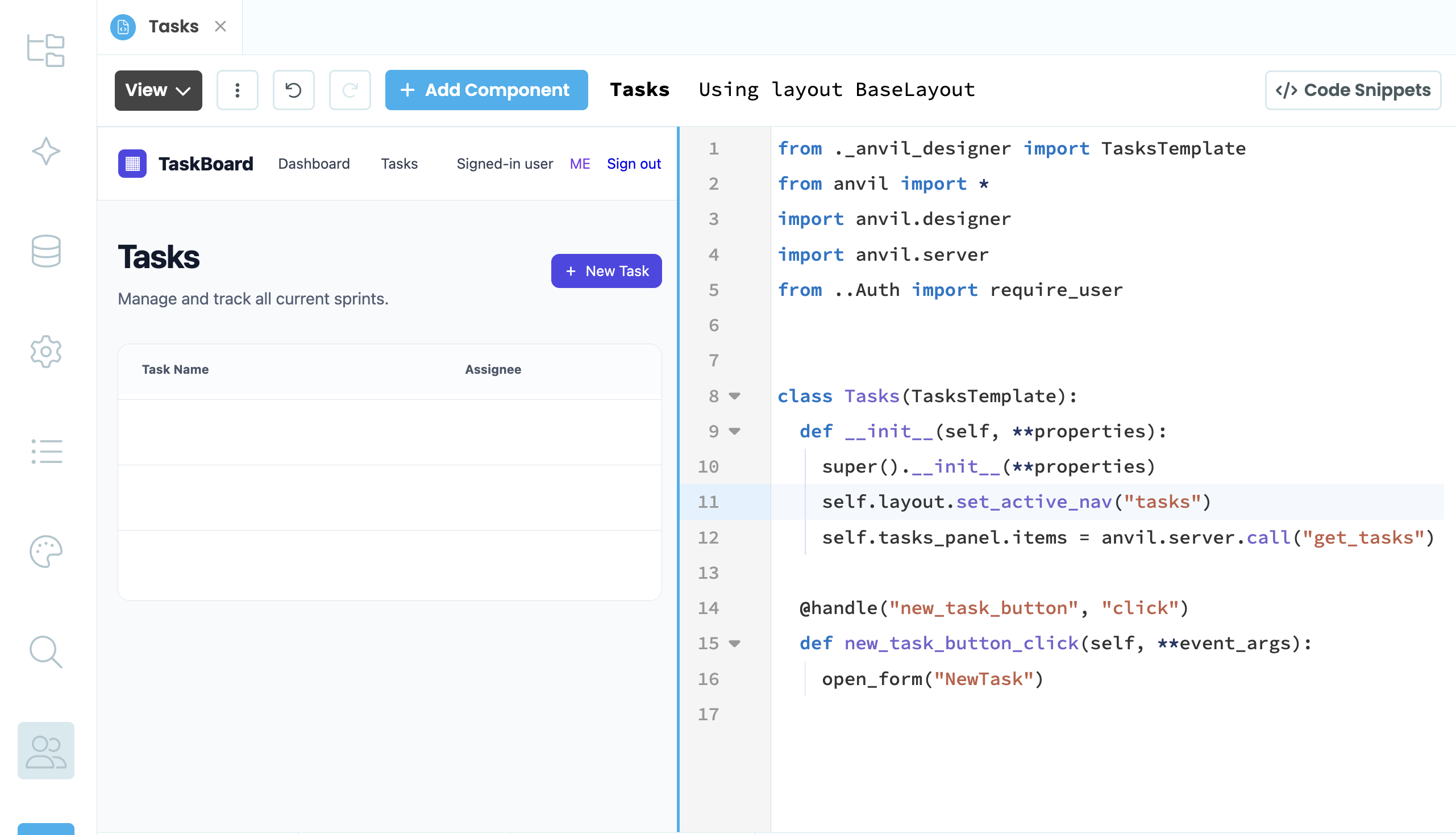
Understand and modify your app
You have complete control over your generated app. The front-end and back-end logic are written in Python, and the UI can be modified from Anvil's drag-and-drop designer. You also manage your database, user authentication and other features all within Anvil.
Learn More >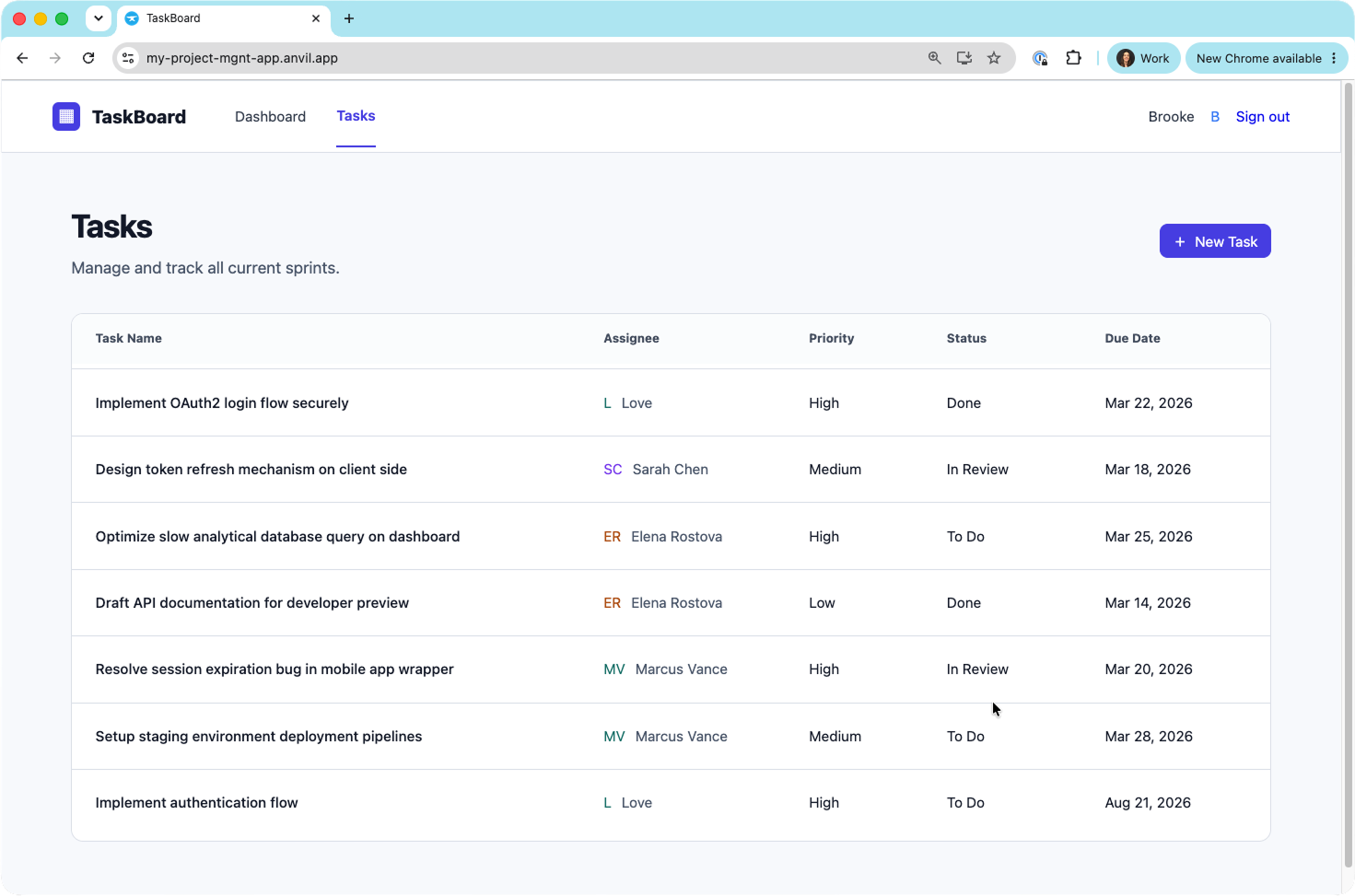
Run and publish
Preview your app, test your changes, and publish when you're ready. Anvil handles hosting and infrastructure for you, or you can self-host using the open-source Anvil App Server.
Learn More >
Anvil is a marvellous example of a tool that gets all the tedious, repetitive, boilerplate activities out of the way so you can concentrate on writing powerful applications; which you can deploy with a single click.
Why developers choose Anvil
Anvil is first a development platform.
Every generated app is built to be understood, modified and shipped, not just demoed.
Python-end-to-end
Generates standard Python for both front-end and back-end that any developer can understand.
Anvil app architecture >Full control over generated app
Edit every part of your app in the Anvil Editor or with a prompt. Build the UI visually with drag-and-drop, or edit the front-end and back-end logic in Python.
The Anvil Editor >Be your own full-stack team
Database, authentication, secrets, deployment, and other services are built in, not bolted on. Anvil handles the infrastructure and hosting while you focus on building your application.
Learn more >Built for development teams
Every Anvil app is a Git repository, with support for continuous integration and separate development environments. Clone, branch off, and work asynchronously with your team.
Version control >Engineered for security
Anvil apps run over HTTPS. Client code is separated from server code by default, using a capability-based security model to protect sensitive data and services.
Security in Anvil >Support when you need it
Detailed documentation, an active developer community forum, and support plans.
How to get help >
Anvil has allowed me to do this as a solo entrepreneur. Any other solo entrepreneur that builds a software product needs to basically be a full stack developer who’s also had experience with DevOps and has the skills to build a business.
What people build with Anvil
Real apps, templates, and customer stories from Anvil users and our team.
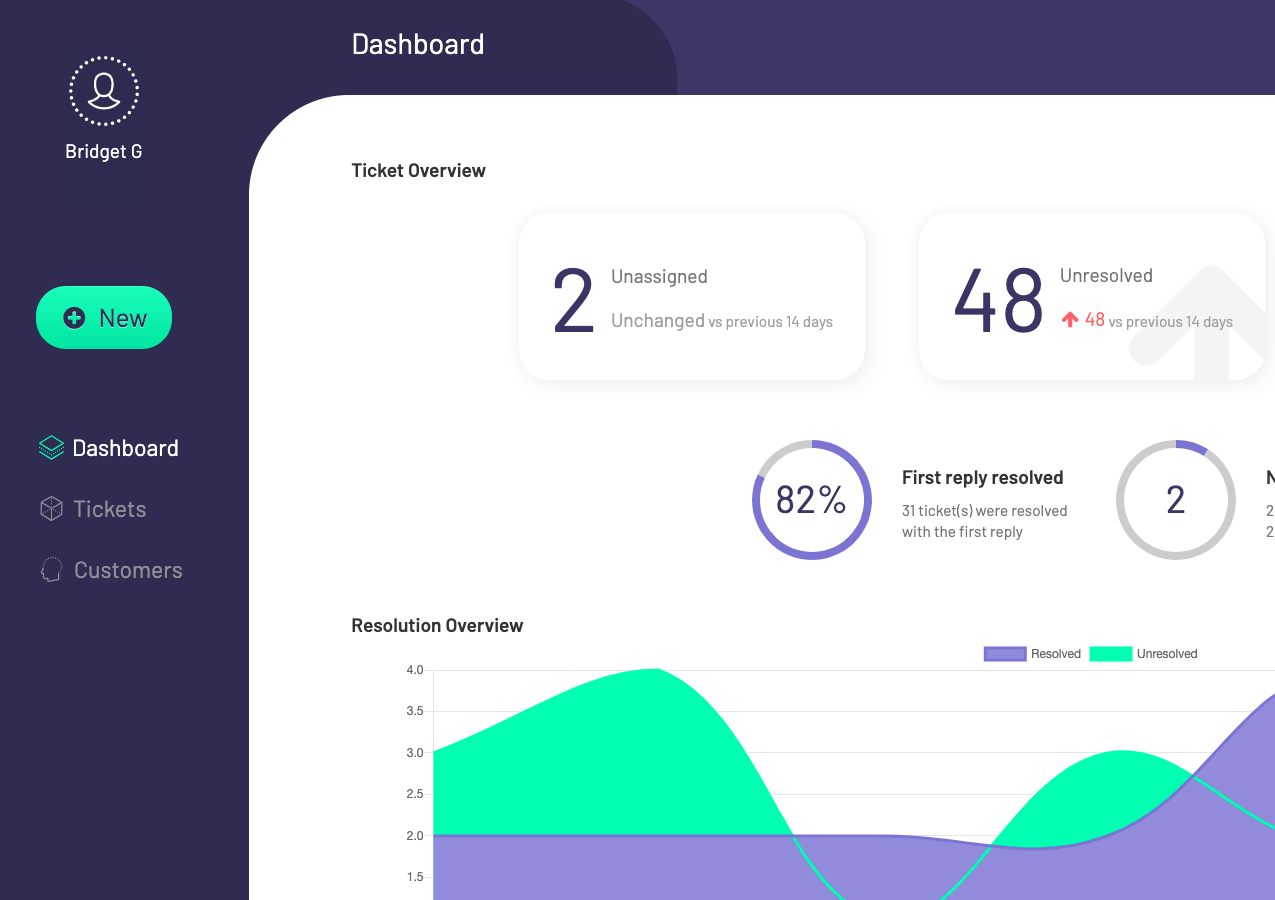
Internal tools
Build admin panels, approval workflows, inventory systems, dashboards, and other internal tools, like this ticketing system.
Customer portals & services
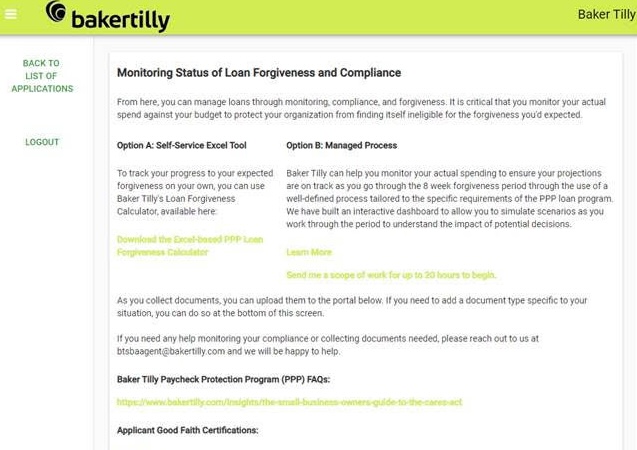
Build secure portals, booking systems, application forms, and other customer-facing apps, like Baker Tilly’s loan application system.
Software products
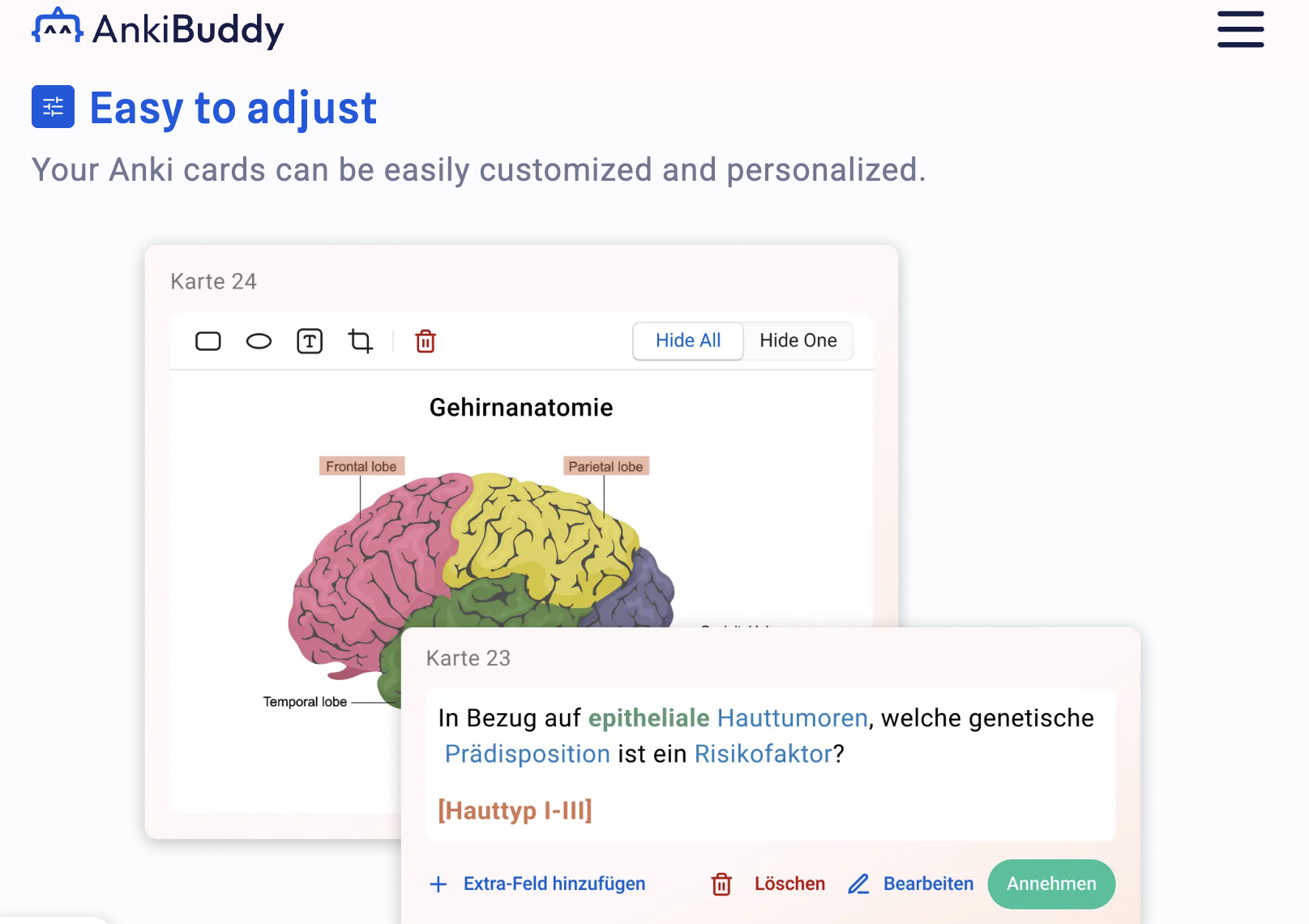
Build and ship SaaS apps, AI tools, learning apps, games, and other software products, like AnkiBuddy and Query Streams.